
locksmith Melrose Arch
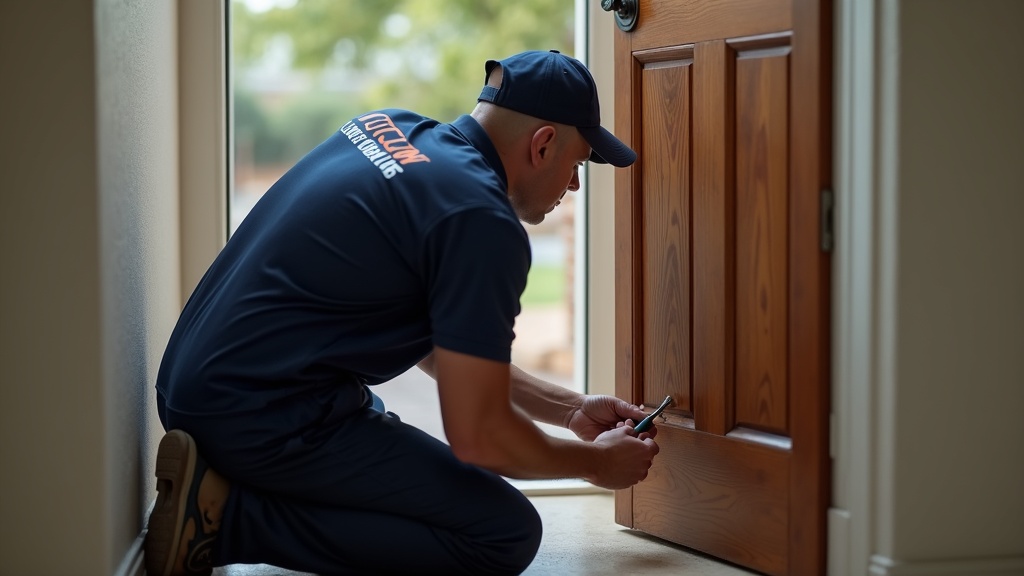
A Practical Guide to Calling a Mobile Locksmith in Sandton at Odd Hours
Emergencies have a talent for arriving at the least theatrical, most inconvenient moment. Your keys slide off a console into a storm drain outside a restaurant. A transponder fob gives up in a dim parkade after dinner. A deadbolt that felt “a little sticky” all week finally jams for good just as you’re trying to get the kids inside and out of the rain.
That’s where a 24/7 mobile locksmith earns their keep. Not as a grand rescue story, necessarily, but as the person with the right tools, enough patience, and a van stocked for problems that don’t wait for business hours. Around Sandton, especially in dense mixed-use pockets with apartments, offices, retail, and basement parking all stacked together, that kind of practical help matters.
What a late-night call actually looks like
Forget the tidy idea that every lockout is the same. One call is a snapped key in a front gate cylinder after a long day of moving boxes. Another is an office tenant shut out after a misaligned glass door latch refuses to retract. Then there’s the driver standing next to a car in a secure parking garage, battery weak, key fob dead, and no obvious way in.
A good mobile technician starts with the basics: what failed, what kind of lock or vehicle is involved, whether anyone is inside, and whether access is urgent for safety reasons. That first conversation matters more than people think. It tells the locksmith what to bring upstairs, into the parking bay, or through the service entrance so time isn’t wasted making guesses in the dark.
In Sandton, access itself can be half the challenge. Security desks, boom gates, basement levels with patchy signal, estate rules, after-hours building procedures — all of it can slow a simple fix. An experienced operator usually knows to ask for the block name, nearest entrance, parking level, or whether security needs to log them before they can even reach the door.
The problems that happen most often
Residential lockouts are the obvious one, but they’re hardly the whole story. Plenty of “emergency” jobs are really hardware failures that chose a terrible hour. A night latch slips out of alignment. A euro cylinder turns, but doesn’t engage.
A gate motor works fine while the pedestrian gate lock quietly deteriorates until someone ends up stranded outside.
Cars bring their own complications. Modern keys are less about metal cutting than electronics, coding, and battery issues. Sometimes the problem is the fob. Sometimes the vehicle battery is low enough that the central locking behaves unpredictably.
And sometimes the key is not lost at all — it’s sitting plainly visible on the driver’s seat while the doors are very much locked.
Commercial calls can be the most time-sensitive. A business may need access before opening, or may need to secure premises after a break-in, even if the full repair has to wait until daylight. Temporary securing, lock changes, rekeying, and replacing damaged cylinders are often more urgent than they sound. A storefront that cannot lock properly is not something you leave until Monday.
How to tell whether you need a locksmith or another trade
Not every access problem belongs to a locksmith. If the issue is a motorized garage door that won’t lift because of a spring or track failure, that’s typically a garage-door repair job. If an intercom system has lost power building-wide, an electrician or building maintenance team may need to be involved first.
Still, the lines blur. Many emergency locksmiths deal with gate locks, door closers, strike plates, hinges, and the kind of hardware faults that feel electrical or structural but turn out to be mechanical. If your key turns and nothing happens, or the latch no longer meets the strike correctly, a locksmith is often the right first call.
It helps to describe symptoms instead of diagnosing. Say that the key spins freely, or that the handle droops, or that the door only opens if you pull it toward you hard. Those details are gold to a technician. They reveal whether the likely culprit is the cylinder, gearbox, latch, misalignment, or just a lock that has not seen lubricant in years.
What to ask before someone is dispatched
You don’t need a script. A few clear questions will do.
- Can you work on this type of lock, gate, safe, or vehicle?
- Are you mobile right now, and what area are you coming from?
- What proof of residence, vehicle ownership, or authorization will you need on arrival?
- If the lock is damaged, can you secure the door tonight even if a full replacement waits until morning?
Those questions cut through a lot of confusion. They also help avoid the awkward scenario where a technician arrives only to discover they can’t assist with that specific car model, access-control setup, or high-security cylinder.
For something like a locksmith Melrose Arch residents might call after hours, building access is part of the story. Mention visitor procedures, loading bays, security check-in, and whether the job is in a flat, office suite, or underground parking level. Precision saves time.
The quiet value of non-destructive entry
People often imagine drilling as the default. Usually, it isn’t. Skilled locksmiths try the least invasive route first: picking, decoding, bypassing, or manipulating the mechanism where appropriate. m.
is more disruptive — and often more expensive in parts and logistics — than opening it cleanly and checking why it failed.
Of course, some locks are too damaged, too worn, or too secure for that approach. After attempted break-ins, cylinders can be mangled. Keys snap off deep inside. Internal components collapse.
In those cases, destructive entry may be the only honest option. The difference is whether the person on site explains why, and whether they can secure everything properly afterward.
That distinction separates a reassuring visit from a chaotic one. A seasoned local operator, whether it’s Sandton Locksmith or another reputable mobile service, should be able to talk through the method before starting work, not after the shavings hit the floor.
Why location changes the job
Sandton compresses a lot into a small radius: free-standing homes, high-rises, gated estates, hotels, offices, and retail corridors with strict access control. Each setting changes the job. House calls may involve perimeter gates and separate cottage entrances. Apartment jobs can hinge on body corporate rules.
Office calls may require authorization from someone who is not physically present.
In denser precincts, timing matters too. Midnight in a quiet residential street is one thing. Late evening around restaurants, hotels, or event venues is another. Parking availability, security screening, and even cellphone reception in underground structures can affect how quickly a lockout gets resolved.
That is why local familiarity counts more than flashy branding. Someone who regularly works Sandton knows that “I’m by the parking lifts near level B2” is useful information, and that some locations require patience before tools ever come out of the case.
After the door opens
The immediate crisis usually ends with a sigh and a click. But that is also the moment to ask what caused the failure in the first place. Was it simple wear? Poor alignment?
A cheap replacement part? Moisture, dirt, and years of forcing a sticky mechanism all leave clues.
Sometimes the fix is small: cut a fresh key from a better original, adjust the strike, replace a tired cylinder, change a fob battery, lubricate the right parts and not the wrong ones. Other times, the event exposes a bigger problem. If a lock failed because the whole door has dropped on its hinges, solving only the cylinder is a temporary victory.
A reliable locksmith should leave you with a clearer picture than you had before. Not a sales pitch. Just an explanation you can use. In that respect, one mention is enough: shops like Sandton Locksmith tend to stand out less by slogans than by whether the technician can calmly tell you what broke, what was done, and what still needs attention.
Choosing well in a hurry
An emergency has a way of shrinking your judgment. You just want in. Fair enough. But even under pressure, a few signs help: clear communication, willingness to verify ownership or authorization, realistic arrival estimates, and straightforward explanations once on site.
Avoid anyone who treats every job as a guaranteed drill-and-replace before they’ve seen the lock. Be wary of vague answers about where they are or what they can handle. And keep in mind that the best outcome is not dramatic speed alone. It’s a secure door, an intact mechanism where possible, and no confusion about what happened.
If you ever need a locksmith Melrose Arch or elsewhere in Sandton after hours, the smartest move is simple: describe the problem well, share the access details, and expect the person arriving to verify that they’re opening or securing the right property. In emergencies, competence looks surprisingly unglamorous. It sounds like good questions, steady hands, and a door that works properly again by the time the night is over.