
mobile locksmith service Sandton
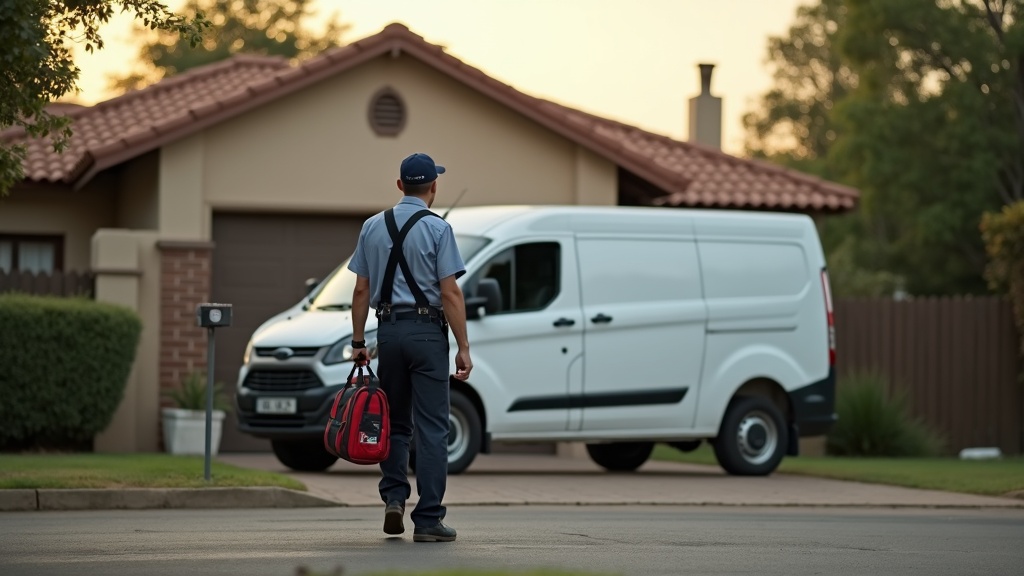
Locked Out at the Worst Possible Hour? What a Mobile Call-Out in Sandton Actually Looks Like
It usually starts in a car park. The key is on the driver’s seat, the doors are locked, and your phone battery is wobbling at 9 percent. Or it’s just after sunset in Bryanston, the gate remote isn’t responding, and the front door key has decided this is the exact night to twist and snap. Nobody plans for these moments.
They arrive in the middle of school runs, grocery stops, late meetings, and long returns from OR Tambo.
A good mobile locksmith service Sandton residents rely on is less about dramatic rescues than quick, competent problem-solving. The useful part is mobility: a technician comes to the office basement, townhouse complex, shopping centre, or roadside shoulder with the tools needed to open, repair, rekey, or secure things on the spot. That matters in a place where a “quick errand” can turn into an hour of traffic and where standing outside with a jammed lock feels different after dark.
What actually counts as an after-hours lock problem
Some call-outs are obvious. A child has accidentally locked the bathroom door from the inside. A tenant has moved out and the owner wants the cylinders changed before sunrise. A delivery driver closes the boot on the only set of keys.
Those are straightforward enough.
Others are messier. A gate motor stops mid-cycle and leaves the property awkwardly exposed. A deadbolt that has been gritty for weeks suddenly refuses to turn. Apartment keys get lost between gym bags, Uber rides, and office desks.
In older homes around Sandhurst and parts of Rivonia, locks often don’t fail all at once; they become temperamental first, then seize up on the one night nobody has time for it.
That’s where a roaming technician earns their keep. They’re not simply opening doors. They’re diagnosing why the lock failed, checking whether the strike is misaligned, whether the key has worn down, whether the problem is the cylinder or the door swelling in damp weather, and whether the fix should be temporary or proper.
The small details that separate a useful call-out from a waste of time
Speed matters, yes. But speed without the right equipment is just a fast arrival followed by a shrug. A proper mobile van should carry more than slim tools and a flashlight. Think replacement cylinders, blanks for common keyways, decoding tools for many vehicle models, hardware for security gates, and basic access control parts.
Just as important is judgment. A decent specialist knows when a lock can be picked cleanly, when drilling is the honest answer, and when forcing the issue will cause needless damage to a frame, a glass panel, or an expensive vehicle door seal. In a business district full of basement parkades and guarded entrances, they also need patience. Getting into the building can take nearly as long as opening the lock.
You can often hear competence in the first phone call. Are they asking what type of door, what brand of lock, whether the key turns at all, whether someone is inside, whether there’s visible damage, whether it’s a car with a dead battery affecting central locking? Those questions aren’t stalling. They help the technician arrive with the right plan.
The jobs people in Sandton call about most
Residential lockouts are common, but they’re only part of the picture. Corporate offices call after someone misplaces a cabinet key containing contracts or backup drives. Retail staff get shut out of roller shutters before opening time. Short-term rental hosts need a front-door cylinder changed between guests because a set of keys went missing somewhere between checkout and the Gautrain.
Cars are their own category. Modern vehicles complicate the old image of a quick unlock with a strip and a hook. Dead key fobs, immobiliser issues, keys locked in the boot, and transponder programming all require different approaches. In underground parking, signal problems and poor lighting add another layer of frustration.
A specialist who works mobile call-outs regularly knows how often “the car won’t open” is really three separate faults happening at once.
Then there are break-in repairs. These are often less cinematic and more depressing: a bent gate lock, splintered doorframe, damaged cylinder, latch no longer catching. The immediate goal is simply to make the property secure again before morning. Full cosmetic repairs can come later.
Why the local context changes the job
Sandton has its own texture. Office towers, boomed suburbs, apartment blocks with layered access, estate rules, mall parking structures, and heavy commuter traffic all shape how these jobs unfold. A technician may solve the lock quickly and still spend extra time dealing with entry permissions, security desk protocols, or the logistics of reaching a loading bay after hours.
Rainy evenings create their own headaches. Electronic locks act up. Wooden doors swell. Gate remotes fail at the exact moment everyone wants to be inside.
During power interruptions, battery backups and manual overrides suddenly matter, and plenty of people discover they’ve never actually used the manual key for the gate motor cabinet.
That local familiarity counts for more than fancy phrasing. A company like Sandton Locksmith is useful not because the name sounds nearby, but because technicians who regularly work these streets understand the practical obstacles before they arrive. They know the difference between a straightforward house lockout and a four-stage access puzzle involving a complex gate, a pedestrian entrance, a lift, and an internal office suite.
What to do while you’re waiting for help
First, slow the panic down. People break windows, damage weather stripping, and ruin decent locks by attacking them with screwdrivers in the first ten minutes. Unless there’s immediate danger, hold off on improvised heroics.
- Check every other entry point once, calmly. Not five times.
- If it’s a vehicle, confirm the boot, passenger doors, and whether the spare key is genuinely unavailable.
- Turn on location sharing if you’re in a basement or unfamiliar street.
- Keep your ID handy if proof of residence or ownership will be needed.
- Take a photo of the lock or door hardware if the technician asks.
After that, stay somewhere visible and sensible. Security desks, petrol stations, building lobbies, and well-lit storefronts are better than pacing next to the car and draining your phone to 1 percent. If children are involved, make that clear on the call. Same for a running engine, a pet locked inside, or any health issue that changes the urgency.
The repair that should happen after the door is open
Opening the lock is only half the story. If the key was worn, the latch misaligned, or the cylinder already failing, the same problem can come back within days. This is why the best call-outs don’t vanish the second the door swings open. They check what caused the issue and tell you plainly whether the hardware needs replacing, adjusting, rekeying, or just a proper clean and lubrication.
Homes change hands. Staff members leave. Tenants move out with an extra copy nobody remembers. Rekeying often makes more sense than waiting for another lockout or quietly hoping old keys never resurface.
For business premises, the same logic applies to storerooms, internal offices, and filing cabinets that somehow collect more unofficial key copies than anyone intended.
And if the first visit happened at 2 a.m., a temporary secure fix may be all that’s realistic. That’s fine. The point is to leave the place safe enough for the night, then return in daylight for a tidier long-term repair if needed.
Choosing with a clear head, not a desperate one
The awkward truth is that people usually search for a mobile locksmith service Sandton only when they are already stressed. That’s the worst frame of mind for judging who sounds credible. Try to listen for specifics rather than slogans. Ask what they think the problem is, what they can likely do on site, and whether the lock may need replacement if non-destructive entry fails.
Clear communication beats grand promises. So does transparency about delays. Traffic, access restrictions, and weather are real. The right technician won’t pretend otherwise, and they won’t act surprised that a “simple lockout” in a mixed-use building can turn into a longer evening.
Most lock crises aren’t dramatic for very long. They’re just disruptive, annoying, and sometimes a little exposing. The useful response is calm hands, decent tools, and someone who understands the layout of the area as well as the hardware in front of them. In Sandton, that practical mix matters more than flashy advertising ever will.